
|
|
|
||||
|
|
||||
|
In using proteomic analyses of synovial fluid, skin and blood samples of
patients with psoriatic disease, we have identified a number of proteins
that are markers for psoriatic arthritis or can distinguish psoriatic
arthritis patients from patients with psoriasis. For example, CD5L, ITGbeta5,
M2BP, MPO, MMP-3, and CRP level are markers for PsA. The combination of
ITGbeta5, M2BP, and CRP level differentiates PsA from PsC, and performs better
than CRP level alone. The ultimate goal of our biomarker studies is the improved
and personalized management of psoriatic disease by:
1. Aiming at early diagnosis of PsA; 2. Identifying patients with psoriasis at high risk of developing arthritis and developing interventions to intercept this transition; 3. Identifying subjects with PsA at high risk of developing arthritis mutilans, a severe form of psoriatic arthritis. |
||||
|
|
||||
|
In using proteomic analyses of synovial fluid, skin and blood samples of
patients with psoriatic disease, we have identified a number of proteins
that are markers for psoriatic arthritis or distinguished between PsA and
PsC. For example, CD5L, ITGbeta5, M2BP, MPO, MMP-3, and CRP level are
markers for PsA. The combination of ITGbeta5, M2BP, and CRP level differentiates
PsA from PsC, and performs better than CRP level alone.
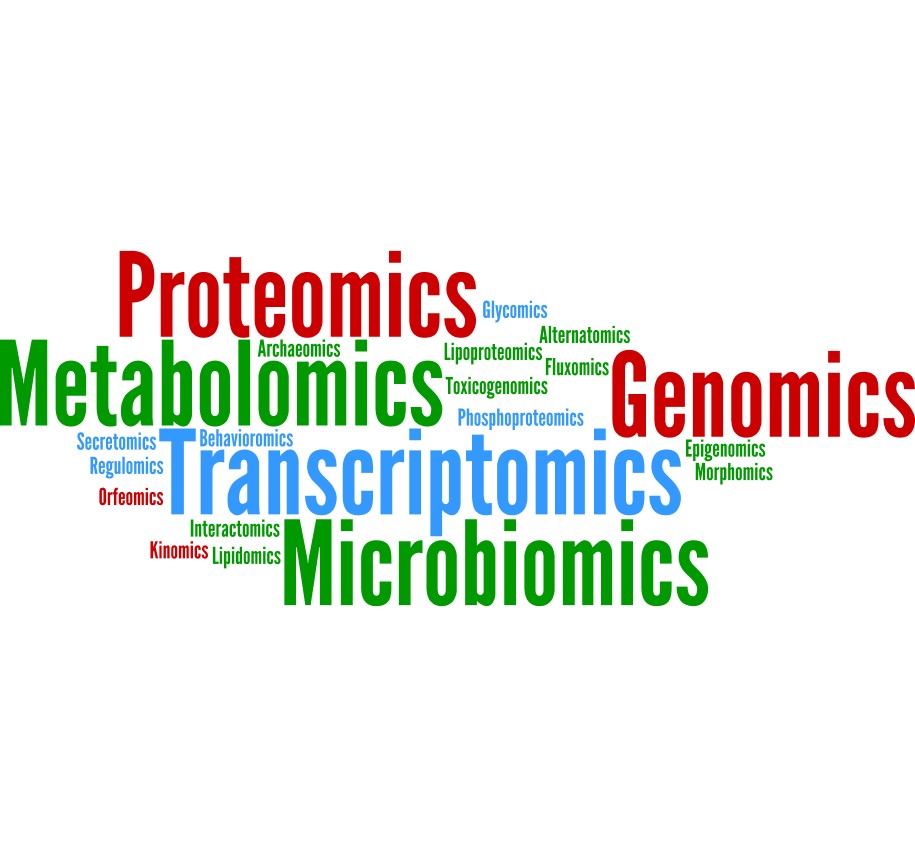
The proteomics efforts are coupled by microbiomic investigations. By exploring the microbiome of skin, intestinal and synovial fluid of patients with psoriasis and psoriatic arthritis in the context of the patient's clinical information, we study the possible role of bacteria in the pathogenesis of psoriatic disease and the exploration of the host-microbial networks for the identification of novel drug targets. Our current investigation of stool microbiome also has also the potential to provide new insights about PsA. Our more recent investigations expanded on studying the metabolite profile of psoriatic disease in order to identify metabolomic markers for diagnosis, stratification, and treatment response. Our laboratory is affiliated with the Metabolomics Core Facility of the Schroeder Arthritis Institute. We also apply computational, statistical, and big data visualization techniques to predict activity context of protein interactions and study network rewiring in psoriatic arthritis. As part of this work, we integrate multiple omics data, and utilize machine algorithms, artificial intelligence, and statistics to better elucidate the cellular networks involved in disease pathogenesis. | ||||
|
|
||||
|
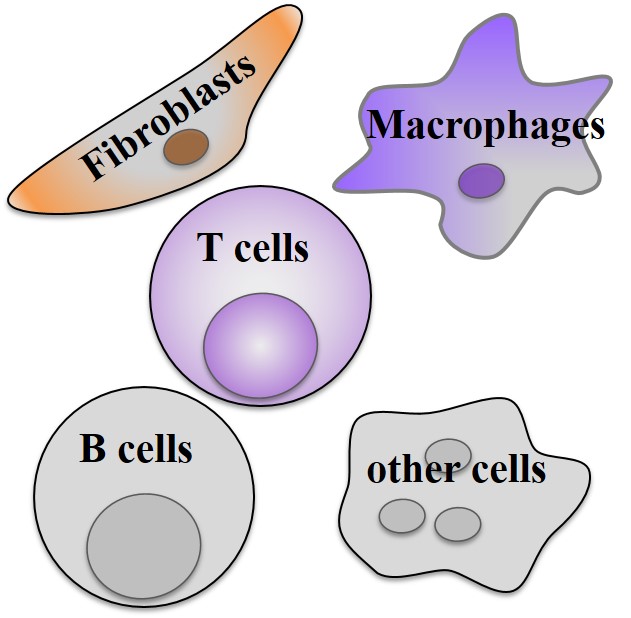
We are currently looking at protein and peptide expression in the
synovial fluid and investigating the proteolytically-regulated receptor
activation in synovial fluid and blood-derived cells of patients with
psoriatic arthritis and other inflammatory arthritides. Activity of
proteinases known to be expressed in the synovial fluid, serine, cysteine
and metallo-proteinases, and their proteinase receptors, with a focus on
proteinase-activated receptor 2, are evaluated. Key immune cells and
involved signaling pathways related to inflammation and pain are further
functionally investigated.
| ||||
|
|
||||
|
With a focus to evaluate our biomarker and functional findings as potential
drug targets we have been using cell culture and tissue explant models
reminiscent of psoriatic disease, to screen for potential therapeutic
compounds. We have recently recruited augmented intelligence tools to help
us accelerate these efforts. Our ultimate goal is to develop drug or other
interventions to treat the estimated 40% of psoriatic arthritis patients not
responding to current therapy.
|
||||
|
Psoriatic Arthritis Research Program |
||||
|
||||
|
|





Department of Rheumatology
University Health Network
Contact information